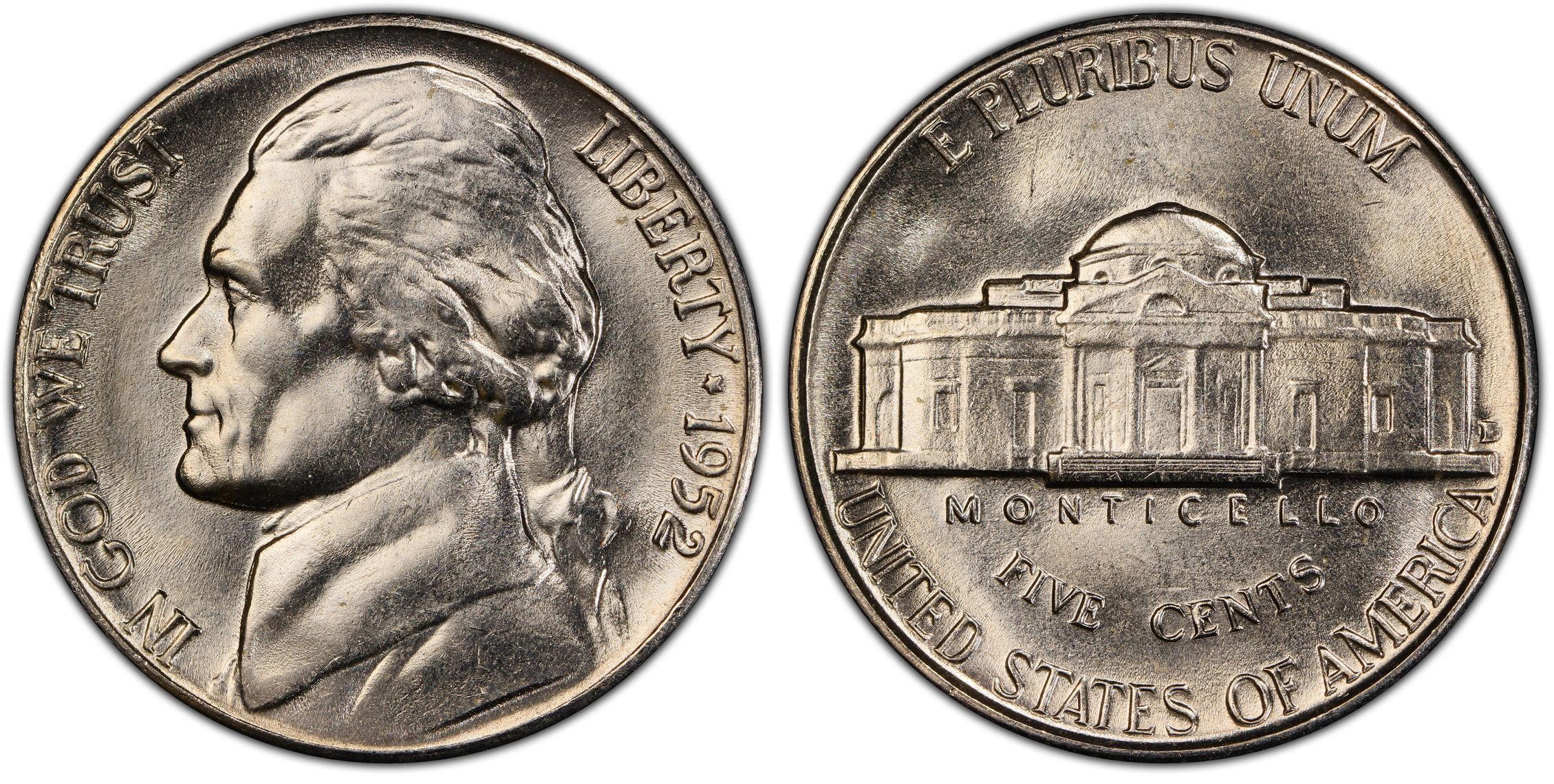
JEFFERSON 5 CENTS

Rare Nickels to Look For: Complete Jefferson Nickel Guide 2026

Essential Guide to 100 Rare Jefferson Nickels Worth Up to $35,250

Knowing which rare nickels to look for can transform casual coin handling into an exciting treasure hunt with genuinely lucrative results. While millions of Jefferson nickels pass through our hands every day, certain dates, mint marks, and varieties are worth hundreds, thousands, or even tens of thousands of dollars to collectors. From the legendary 1954-S with its minuscule mintage to wartime silver compositions, dramatic error varieties, and key-date survivors from the 1940s–1950s, these exceptional coins represent extraordinary opportunities hiding in plain sight. Whether you are searching bank rolls, examining pocket change, or evaluating inherited collections, understanding exactly which Jefferson nickels qualify as true rarities is essential knowledge for any coin enthusiast. This comprehensive guide presents the definitive ranking of 100 rare Jefferson nickels, complete with current market values and identification tips to help you recognize these valuable treasures before they slip away.
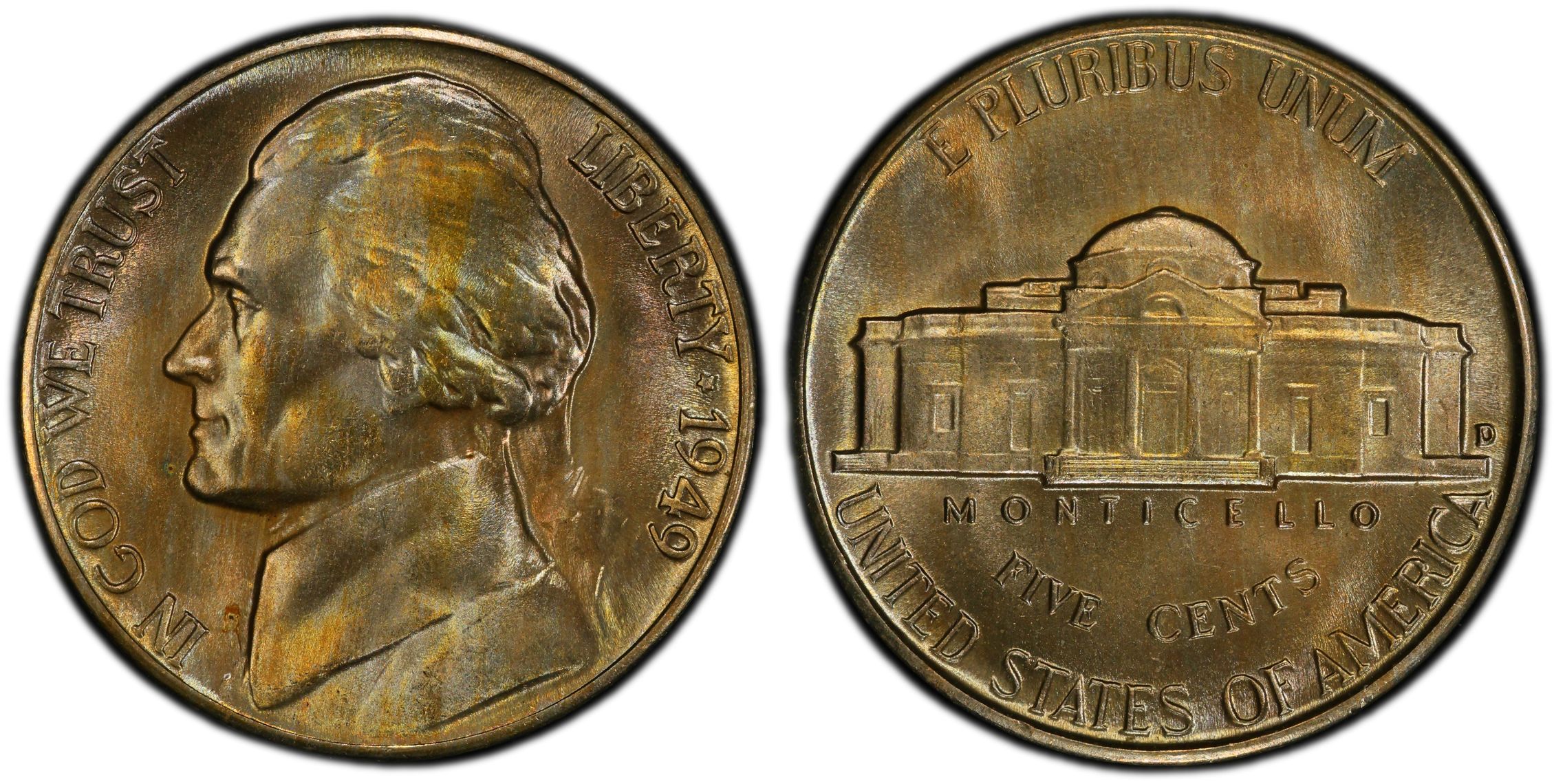
Rare nickels to look for featuring key date Jefferson nickels and errors

Complete List: 100 Rare Nickels to Look For

Rank Coin Name Value
Rare nickels to look for showing wartime silver and mint mark varieties

🔍 Instantly Identify Rare Nickels with CoinKnow

Not sure whether you've found one of the rare nickels to look for? The CoinKnow Coin Identifier app takes the guesswork out of coin collecting. Simply snap a photo of any nickel and receive an instant identification — date, mint mark, variety, and estimated value — powered by advanced image recognition technology.

Whether you're hunting through coin rolls, checking an inherited jar of change, or shopping at a coin show, CoinKnow gives you professional-level insights right from your smartphone. Never walk past a valuable Jefferson nickel again.


American Nickel History: Evolution of Rare Nickels to Look For

Shield Nickels (1866–1883)

Shield nickels inaugurated America's copper-nickel five-cent coinage, designed by James B. Longacre following the Civil War. These first nickel coins featured a prominent shield symbolizing Union strength on the obverse. Early Shield nickels with rays between stars (1866–1867) and later rayless varieties through 1883 preceded the Jefferson series. While Shield nickels aren't among the Jefferson rare nickels to look for on this list, they established the five-cent denomination. Collectors seeking pre-Jefferson rarities should examine Shield varieties closely, though they are seldom encountered in circulation today.

Liberty Head Nickels (1883–1913)

Charles E. Barber designed the Liberty Head nickel featuring a classical Liberty profile, replacing the Shield series in 1883. The debut "No CENTS" variety caused confusion when criminals gold-plated them to resemble five-dollar gold pieces, prompting the addition of "CENTS" on the reverse. Liberty Head nickels continued through 1912, with the unauthorized 1913 Liberty Head becoming one of America's most famous rarities. Although Liberty nickels predate the Jefferson series and fall outside the scope of this guide, they represent important American numismatic history worth studying for any serious collector.

Buffalo Nickels (1913–1938)

James Earle Fraser's Buffalo nickel captured frontier America with its Native American chief and bison imagery. Produced from 1913–1938, Buffalo nickels include many coveted varieties like the 1937-D Three-Legs error and scarce 1920s San Francisco issues. While Buffalo nickels are beloved rarities in their own right, they fall outside the Jefferson-focused ranking on this page. The transition from Buffalo to Jefferson design in 1938 marked the beginning of the modern era — and the start of the most accessible series of Jefferson nickel values and key dates for collectors at every level.

Jefferson Nickels (1938–Present)

Felix Schlag's Jefferson nickel design won a 1938 public competition and continues today as America's longest-running circulating coin design. Early Jefferson nickels (1938–1942) used traditional copper-nickel composition before wartime production demands changed the formula. Wartime silver nickels (1942–1945) containing 35% silver are top-priority coins in any search, identifiable by the large mint mark placed above Monticello. Post-war production resumed copper-nickel composition, with the 1950s yielding many of the series' most elusive survivors including the legendary 1954-S. Modern Jefferson nickels received commemorative redesigns in 2004–2005 before returning to the classic appearance, with various dates, mint marks, and errors continuing to reward dedicated searchers.
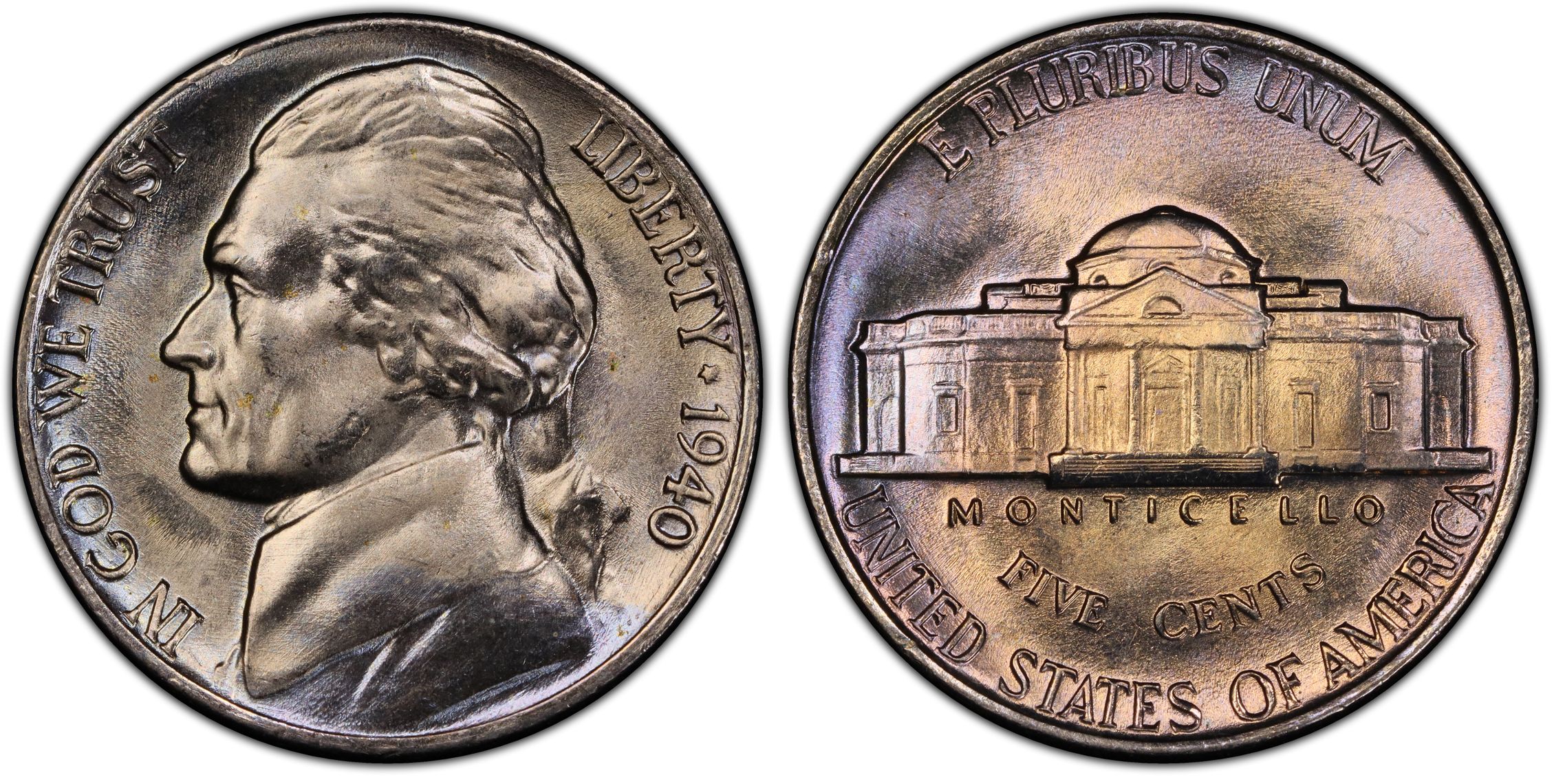
Rare nickels to look for including proof varieties and Special Mint Sets

Summary: Essential Rare Nickels to Look For

Understanding rare nickels to look for transforms ordinary coin handling into an exciting pursuit with genuine profit potential, as the Jefferson series contains numerous specimens valued from $4,000 to over $35,000. The essential rare nickels to look for include key dates with extremely low mintages like the 1954-S, early Denver issues such as the 1938-D and 1950-D, wartime silver nickels from 1942–1945 particularly those with errors or overdates, significant minting errors including doubled dies and repunched mint marks, and high-grade survivors from the 1940s–1950s with Full Steps designation. When searching for rare nickels to look for, prioritize examining mint marks carefully — S and D mint marks indicate San Francisco and Denver production — and focus on dates before 1960, which are far more likely to yield valuable discoveries. Check all wartime nickels for the large mint mark above Monticello indicating silver content, use magnification to spot subtle varieties and errors, and preserve any potential finds in protective holders to maintain their condition. The rare nickels to look for featured in this guide represent achievable goals for dedicated searchers, as many still exist in circulation, old collections, and bank rolls waiting to be discovered. Whether you are a beginning collector learning which coins to watch for, or an experienced numismatist seeking specific varieties, this comprehensive ranking provides the essential knowledge needed to identify, authenticate, and properly value these exceptional Jefferson nickels in today's dynamic marketplace.

Frequently Asked Questions: Rare Nickels to Look For

What are the rare nickels to look for in circulation?
The rare nickels to look for in circulation include 1938-D, 1939-D, 1950-D, wartime silver nickels (1942–1945) with large mint marks above Monticello, and any Jefferson nickels with visible errors. While finding extremely scarce specimens like the 1954-S in pocket change is unlikely, you can still discover 1940s–1950s dates in exceptional condition. Focus on S and D mint marks, check for doubled dies, and examine older nickels carefully — these are the key rare nickels to look for that still appear in circulation occasionally.
How can I identify rare nickels to look for?
To identify rare nickels to look for, check the date and mint mark using magnification. The rarest Jefferson nickels carry S or D mint marks on the reverse (right side of Monticello for 1938–1964, then moved to the obverse in 1968). Look for wartime silver nickels with large mint marks above Monticello — these are always valuable. Examine coins for errors like doubled dies, repunched mint marks, and overdates. The most important rare nickels to look for include 1954-S, 1938-D, 1950-D, 1939-D varieties, and all wartime silver issues from 1942–1945.
What wartime nickels are rare nickels to look for?
Wartime silver nickels (1942–1945) are important rare nickels to look for because they contain 35% silver and feature unique varieties. The most valuable from this period include 1942-D/D Horizontal D ($32,200), 1943/2-P overdate ($16,675), 1945-D ($25,000), and 1945-P Doubled Die Reverse ($14,100). All wartime nickels have large mint marks — P, D, or S — above Monticello on the reverse. Even common wartime dates are worth more than face value due to silver content, making every wartime issue a desirable find.
Why is the 1954-S among the rare nickels to look for?
The 1954-S is the ultimate rare nickel to look for because only 774,000 were minted — the lowest production run of any regular-issue Jefferson nickel. This extreme scarcity makes the 1954-S the most valuable specimen in the series, reaching $35,250 in top grades. The San Francisco Mint produced very few nickels that year, and most entered circulation where they suffered wear. Finding an uncirculated 1954-S would be an extraordinary discovery. If you locate any 1954-S, regardless of condition, you've found the king of rare nickels to look for.
What error varieties are rare nickels to look for?
Error varieties representing rare nickels to look for include the 1942-D/D Horizontal D ($32,200), 1949-D/S overmintmark ($32,900), 1964-D/D RPM ($19,800), 1943/2-P overdate ($16,675), 1945-P Doubled Die Reverse ($14,100), and 1946-D/D ($11,500). The rare 1971 No S proof ($8,100) is also a highly sought find. These errors occurred during minting when dies were improperly prepared or mint marks were punched multiple times. For a broader overview of rare nickels to look for with up-to-date valuations, additional resources can help you track current market prices.
Are 1950s nickels the rare nickels to look for?
Yes, many 1950s Jefferson nickels are prime rare nickels to look for. The decade produced the 1954-S ($35,250), 1953-S ($24,000), 1951-S ($18,600), 1950-D ($17,250), and 1953 ($15,275) — all exceptional finds. Lower mintages at certain facilities during the 1950s created a concentration of scarce coins that continues to reward patient searchers. Any 1950s date with an S or D mint mark should be treated as a priority and potentially submitted for professional grading if found in nice condition.
What condition makes rare nickels to look for more valuable?
Rare nickels in uncirculated condition (MS-65+) are worth significantly more than circulated examples. The Full Steps designation — showing complete, sharp detail on all steps of Monticello — can double or even triple the value of an already scarce coin. Proof specimens and Special Mint Set coins are premium finds when graded PR-67 or higher. Even circulated key dates retain substantial worth: a worn 1954-S is still a meaningful discovery. When you find a rare nickel, examine it carefully for original luster, sharp strike, and minimal wear before deciding how to proceed.
Where should I search for rare nickels to look for?
Search for rare nickels to look for in coin rolls from banks (order full boxes to search through systematically), pocket change from daily transactions, inherited collections from family members, estate sales, garage sales, and coin shows where affordable examples surface regularly. Bank rolls occasionally contain older nickels that spent decades in circulation before being re-deposited. Inherited collections frequently include 1940s–1950s dates that were never properly evaluated. Focus on pre-1960 dates, examine every wartime nickel carefully, and check mint marks on every single coin — the rare nickels to look for are definitely still out there.
Should I get rare nickels to look for professionally graded?
Yes, when you discover a coin worth over $1,000, professional grading by PCGS or NGC is strongly recommended. Grading services authenticate your coins, assign standardized condition grades, and encapsulate them in tamper-evident holders that preserve value and build buyer confidence. Key rare nickels to look for — 1954-S, 1938-D, 1950-D, and significant error varieties — should all be professionally graded to maximize their resale value. The cost of grading is modest compared to the premium a certified coin commands on the open market.
How much are rare nickels to look for worth today?
The rare nickels to look for in this guide range from $4,000 to $35,250 depending on date, mint mark, variety, and condition. Top specimens include 1954-S ($35,250), 1938-D ($33,600), 1969-D ($33,600), and 1942-D/D ($32,200). Mid-range coins like the 1950-D ($17,250) and 1951-S ($18,600) also command impressive prices. Even lower-ranked entries on this list fetch $4,000–$12,000 in top grades, making them significant and worthwhile discoveries. Values across the Jefferson nickel series continue to appreciate steadily, rewarding both searchers and collectors who hold quality examples.